
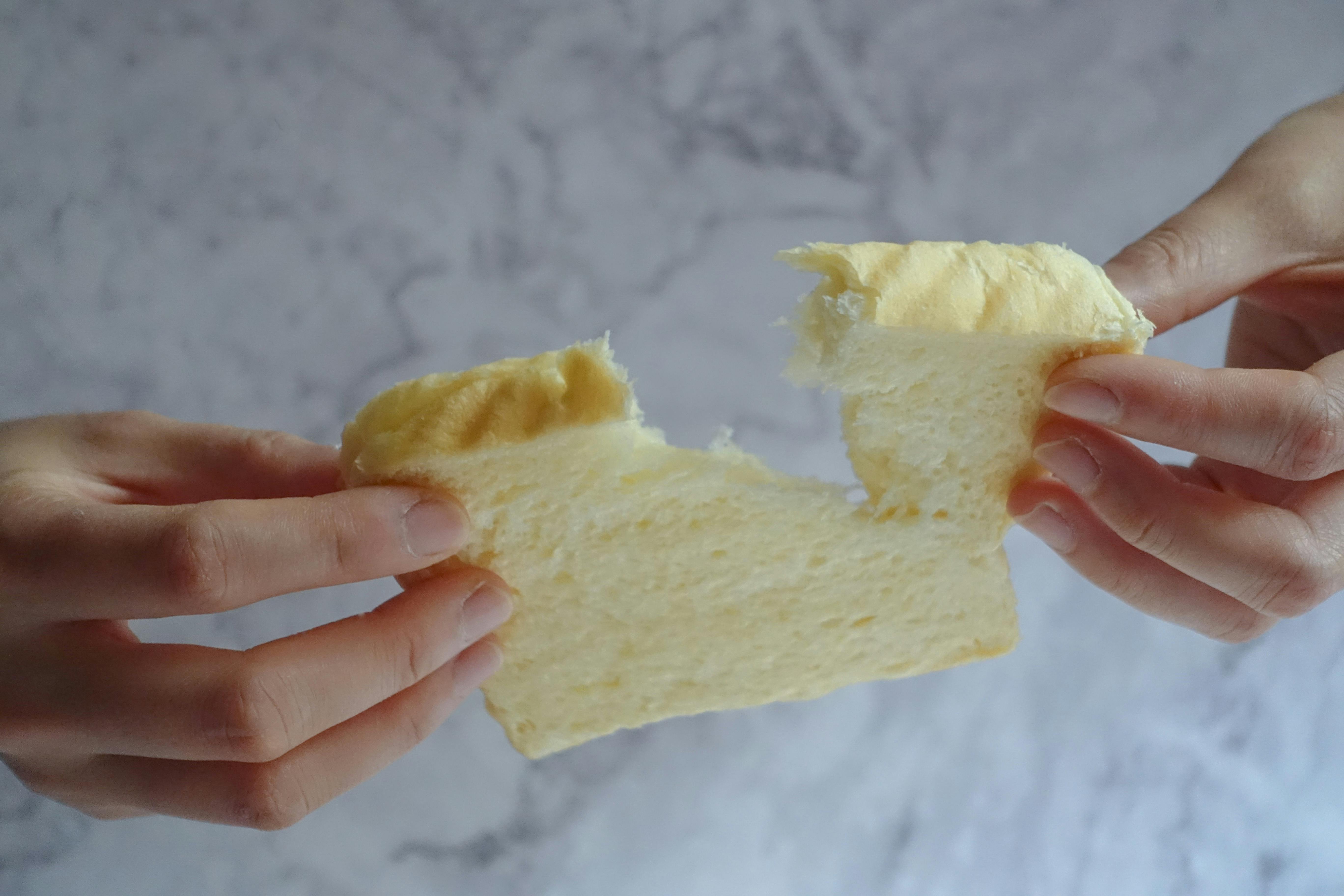
Nine months ago, I made the decision to start cutting out bread from my diet, and it’s been one of the most positive changes I’ve made for my health. I’d been struggling with digestive issues, IBS, menopause symptoms, and thyroid-related fatigue for years, and I knew my diet played a huge role in how I felt. Over time, I’ve experimented—adding certain foods in, removing others—all in an effort to support my body and feel my best.
Cutting out bread was a big shift, but it’s made a huge difference. My digestion has improved, the bloating I used to experience daily has disappeared (I’ll be sharing more on this in a future post), and I have more energy than I have in years. But beyond the health benefits, this change has pushed me to be more creative in the kitchen, especially with breakfasts and lunches. I’ve discovered so many satisfying, nutrient-rich alternatives that have helped me break free from the habit of relying on bread as a staple.
This isn’t about strict food rules or never enjoying a slice again—it’s about understanding what works best for your body. In this post, I’ll share why I gave up bread, what’s actually in pre-packaged loaves (and why gluten-free options are no better and sometimes even worse), and some easy ways to make the switch.
What’s Really in Store-Bought Bread?
When I first started cutting out bread, I didn’t think much about what I was leaving behind—until I actually started paying attention to the ingredients in the gluten-free bread I had been eating. I was shocked at how long the expiry dates were—some lasted months! That made me question what was keeping them “fresh” for so long.
Most store-bought bread, whether standard or gluten-free, is packed with additives to improve texture, extend shelf life, and enhance flavour. But many of these ingredients aren’t great for our health.
- Emulsifiers & Dough Conditioners – Used to soften bread and improve texture. Some emulsifiers have been linked to gut irritation and inflammation.
- Preservatives – Compounds like calcium propionate prevent mold growth but may contribute to digestive issues.
- Added Sugars – You might be surprised at how much sugar is added to even savoury bread. This can cause blood sugar spikes and cravings.
- Artificial Flavourings & Colourings – These make bread more appealing but don’t add any nutritional value.
Gluten-free bread often contains even more additives to mimic the structure that gluten provides:
- Gums & Starches – Xanthan gum, guar gum, and potato or tapioca starch help with texture but can be hard to digest.
- Enzymes & Fillers – These improve elasticity but often mean gluten-free options are ultra-processed.
- Preservatives for Longer Shelf Life – Gluten-free bread is sometimes stored in modified atmosphere packaging to last months—far from fresh! A growing body of research highlights the potential health risks of ultra-processed foods, including their impact on metabolism and gut health.
Bread & Ultra-Processed Foods
Most supermarket bread, whether white, wholemeal, or gluten-free, falls into the category of ultra-processed foods (UPFs). UPFs are industrially manufactured foods with multiple additives, preservatives, and artificial ingredients designed to enhance taste, texture, and shelf life. A growing body of research suggests that frequent consumption of UPFs is linked to an increased risk of metabolic issues, gut dysbiosis, and inflammation. You can read more about UPF’s here.
One of the key issues with UPFs is that they often contain high levels of refined carbohydrates, leading to blood sugar spikes and crashes, which can disrupt energy levels and hormonal balance. By cutting out bread, especially processed varieties, you’re taking an important step towards reducing your intake of ultra-processed foods and prioritising more natural, whole food alternatives.
I now prefer making my own alternatives or choosing fresh, naturally gluten-free options instead of relying on processed replacements. Once I realised what was actually in my bread, cutting out bread felt like one of the best choices I could make for my health.
Why Bread Can Be a Crutch & How to Break Free from It
For years, I relied on bread for most of my lunches—whether it was a quick sandwich, eggs on toast, or something simple like a wrap. The idea of cutting out bread completely felt impossible at first. What else was I going to eat?
But once I started experimenting and researching healthier alternatives, I realised how much I’d been limiting myself. Now, I don’t even think about bread as an option for breakfast or lunch, and my meals are far more exciting and nutrient-dense as a result.
Some of my go-to options include:
- Quinoa Flatbread – A simple, high-protein alternative that’s great for pairing with dips or topping with avocado and eggs.
- Butternut Squash Soup – Comforting, nutrient-packed, and naturally thick without the need for bread on the side.
- Chicken Salad – A protein-rich, fresh option with healthy fats and crunchy vegetables to keep it satisfying.
- Chicken and Rice – A balanced, wholesome meal that’s easy to prep in advance for busy days.
- Satay Noodle Salad – A flavourful dish using rice noodles, crunchy vegetables, and a homemade satay dressing.
By cutting out bread, I’ve naturally leaned into more whole, unprocessed foods that leave me feeling more energised and less bloated. There are so many options out there once you move past the mindset that every meal needs bread. If you’re looking for ideas, I have plenty of simple, nourishing meal ideas linked in my other blog posts!
I also used to rely on toast for breakfast, but now I’ve found so many easy and filling alternatives that don’t leave me feeling sluggish. If you’re looking for breakfast inspiration, I’ve shared some of my favourite go-to options here.
How to Get Inspired & Make It Sustainable
When I first started cutting out bread, it felt like a challenge—what was I supposed to eat instead? But over time, I realised that this change actually opened up my diet rather than restricting it. I began experimenting with new ingredients, trying different cuisines, and discovering meals that were far more satisfying than a standard sandwich or piece of toast.
One of the biggest mindset shifts was seeing this as an opportunity rather than a loss. Instead of focusing on what I couldn’t eat, I focused on what I could add to my diet. I explored protein-rich meals, wholesome grains, and fresh, vibrant flavours. Some of my favourite go-to swaps include:
- Mediterranean-inspired salads with chicken, roasted vegetables, and homemade dressings
- Rice bowls with seasoned meat, avocado, and crunchy slaw
- Thai-style noodle salads with peanut dressing
- Quinoa flatbreads as a simple alternative for wraps
- Hearty homemade soups like butternut squash or lentil
Batch-cooking has also been a game changer. By preparing a few staple ingredients at the start of the week—like grilled chicken, roasted vegetables, or a big batch of quinoa—I always have something quick and nutritious to grab, meaning I never feel stuck or tempted to fall back on bread. If you’re looking for an easy protein option, my Easy Chicken Marinades are great for meal prepping and work well in salads, rice bowls, or wraps.
Once you’ve built up a few go-to meals, cutting out bread doesn’t feel like a restriction—it just becomes second nature. The key is finding meals you genuinely enjoy, so you never feel like you’re missing out.
A Surprising Shift in How I Eat
At first, the idea of removing bread from my diet felt overwhelming—it had always been a staple in my meals. But after making the change, I’ve seen huge improvements in my digestion, energy, and overall well-being. What seemed restrictive at first actually opened the door to a more varied and balanced way of eating.
If you’re thinking about cutting out bread, start by experimenting with alternatives. There are so many great options, from simple grain bowls to homemade flatbreads, that make meals just as enjoyable—if not more so.
Would I ever go back to eating bread? Maybe on occasion, but I no longer rely on it. Making this change has encouraged me to be more creative in the kitchen, and I don’t miss it at all.
If you found this article helpful, feel free to like or share it with someone who might benefit too. Your support helps me continue sharing practical tips and hormone-friendly insights for healthier living.



Leave a Reply