
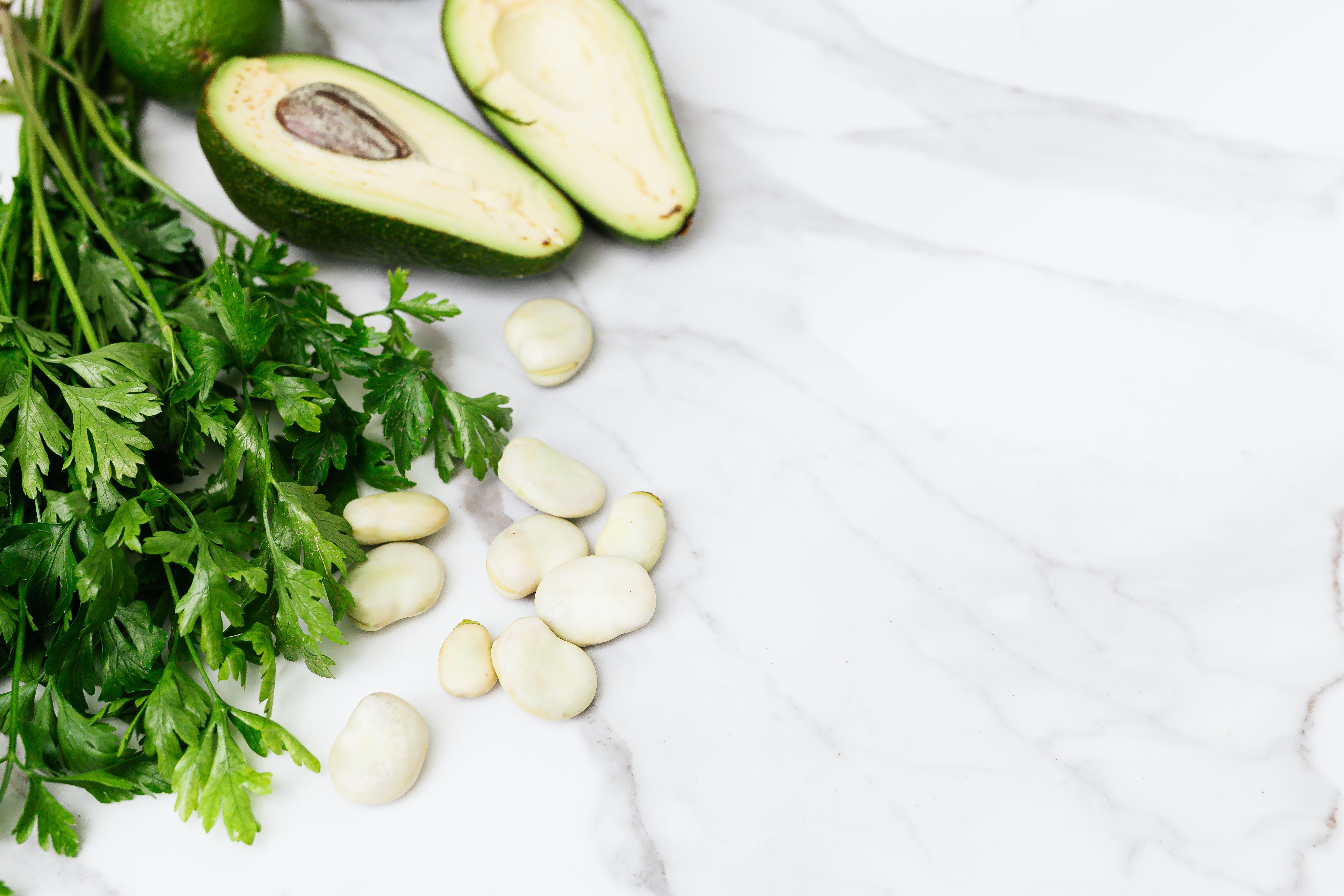
When I think of potassium, bananas are always the first food that comes to mind. Recently, I came across a post sharing some other foods high in potassium, and I was genuinely surprised by just how many everyday foods contain significant amounts.
Avocado, sweet potato, beans, leafy greens and salmon are all great sources, and many are foods I already eat regularly without really thinking about their potassium content. It made me want to look into potassium a little more — why we need it, how much we should be getting and some simple ways to include more potassium-rich foods in our diets.
Why Do We Need Potassium?
Potassium is an essential mineral that our bodies need every day. It plays an important role in helping the nervous system and muscles function normally, while also helping to maintain normal blood pressure.
In the UK, adults aged 19 to 64 are advised to get around 3,500mg of potassium a day. The good news is that potassium is found naturally in lots of everyday foods, so a varied, balanced diet can provide plenty of different sources.
Rather than focusing on one particular food – such as bananas – I think it’s much more useful to look at the variety of potassium-rich foods we can include across our meals.
7 Foods High in Potassium That Aren’t Bananas
Bananas are a good source of potassium, but they’re certainly not the only option. Here are seven other foods worth including in a varied diet:
1. Avocado
Avocados are a great source of potassium as well as fibre and unsaturated fats. Half an avocado can provide around 500mg of potassium, making it an easy addition to salads, eggs or gluten-free toast.
2. Sweet Potato
Sweet potatoes are another potassium-rich choice, as well as providing fibre and beta-carotene. Try them baked, roasted, mashed or added to curries and stews.
3. White Beans
Beans are one of the foods that surprised me most. White beans can be particularly high in potassium and are also a useful source of plant-based protein and fibre.
4. Spinach
Cooked spinach is a concentrated source of potassium because a much larger amount of spinach fits into a serving once it has wilted. It’s easy to add to curries, soups, omelettes or alongside your evening meal.
5. Beet Greens
The leafy tops of beetroot are edible and particularly rich in potassium. They can be cooked in much the same way as spinach or other leafy greens — a good reminder not to automatically throw them away when buying beetroot with the leaves attached!
6. Salmon
Potassium isn’t only found in fruit and vegetables. Salmon provides a useful amount too, alongside protein and omega-3 fats.
7. Lentils
Lentils provide potassium alongside fibre and plant-based protein. They’re easy to add to soups, curries, stews and salads, making them another simple way to increase the variety of potassium-rich foods in your diet.
The main thing I took away from looking into this was just how many different foods contribute potassium. Rather than relying on bananas, we can get it from a really varied mix of vegetables, beans and pulses, fish, nuts, seeds and other whole foods.
Easy Ways to Include More Potassium-Rich Foods
You don’t necessarily need to make big changes to increase the variety of potassium-rich foods in your diet. Many of them are easy to add to meals you may already be making.
Try adding avocado to breakfast or salads, serving roasted sweet potato alongside dinner, stirring spinach into curries and soups, or adding beans and lentils to stews and salads. Salmon makes another great option for an evening meal, while nuts and seeds can easily be sprinkled over breakfasts, yoghurt or salads.
For me, this is another example of why I like to focus on eating a variety of whole foods rather than relying on one particular ingredient for a certain nutrient. Small additions throughout the day can all contribute.
A Quick Note About Potassium
For most people, the best way to get enough potassium is through a varied, balanced diet rather than supplements. However, some people — particularly those with certain kidney conditions or taking particular medications — may need to monitor their potassium intake. If you’ve been advised to limit potassium or you’re considering a potassium supplement, speak to your doctor or healthcare professional first.
Closing Thoughts
I love discovering simple things like this that help me understand the nutritional value of the foods I’m already eating. I knew potassium was important, but I hadn’t realised just how many everyday foods were great sources of it — or that there were so many options beyond bananas.
For me, it’s another reminder that eating well doesn’t need to be complicated. Focusing on variety and including plenty of whole foods naturally gives us access to a wide range of nutrients.
If you’re looking for simple ways to include more nutritious whole foods in your diet, you might also enjoy my Red Lentil Dahl, which is an easy way to add lentils to your meals, or my Hormone-Friendly Breakfast Baked Oats for a fibre-rich make-ahead breakfast.
If you found this article helpful, please like and share it with someone who might find it useful too.
Sources & Further Reading
- NHS – Vitamins and minerals: Others (including potassium)
NHS: Potassium guidance - USDA FoodData Central – Nutritional information for individual foods
USDA FoodData Central



Leave a Reply