
When looking at foods high in zinc, I became interested in just how much of this essential mineral we can get naturally through our diet. I’ve tried taking zinc supplements myself, both as tablets and chewables, but unfortunately they just don’t seem to agree with me and tend to give me indigestion.
As someone who is always looking for ways to support my health through food, this made me curious about the best natural sources of zinc — particularly after learning more about the role zinc plays in thyroid health.
So, rather than focusing on supplements, I wanted to look at which everyday foods contain zinc, how much we actually need and some simple ways to include more of them in our diets.
Why Is Zinc Important for Thyroid Health?
Zinc is an essential mineral involved in hundreds of processes throughout the body, including normal immune function, cell growth and repair.
It also plays a role in thyroid hormone production and metabolism, including processes involved in converting thyroid hormones into forms the body can use. This is why getting enough zinc is one part of supporting normal thyroid function.
That doesn’t mean that eating more zinc will treat a thyroid condition, but making sure we’re getting adequate amounts through a varied diet is important — particularly as our bodies can’t produce zinc themselves.
8 Foods High in Zinc
Zinc is found in both animal and plant foods, so there are plenty of ways to include it naturally in your diet.
- Oysters – One of the richest natural sources of zinc. An 85g serving of cooked Pacific oysters provides around 28mg.
- Beef – A good everyday source, with around 3.8mg of zinc in an 85g serving of roasted beef.
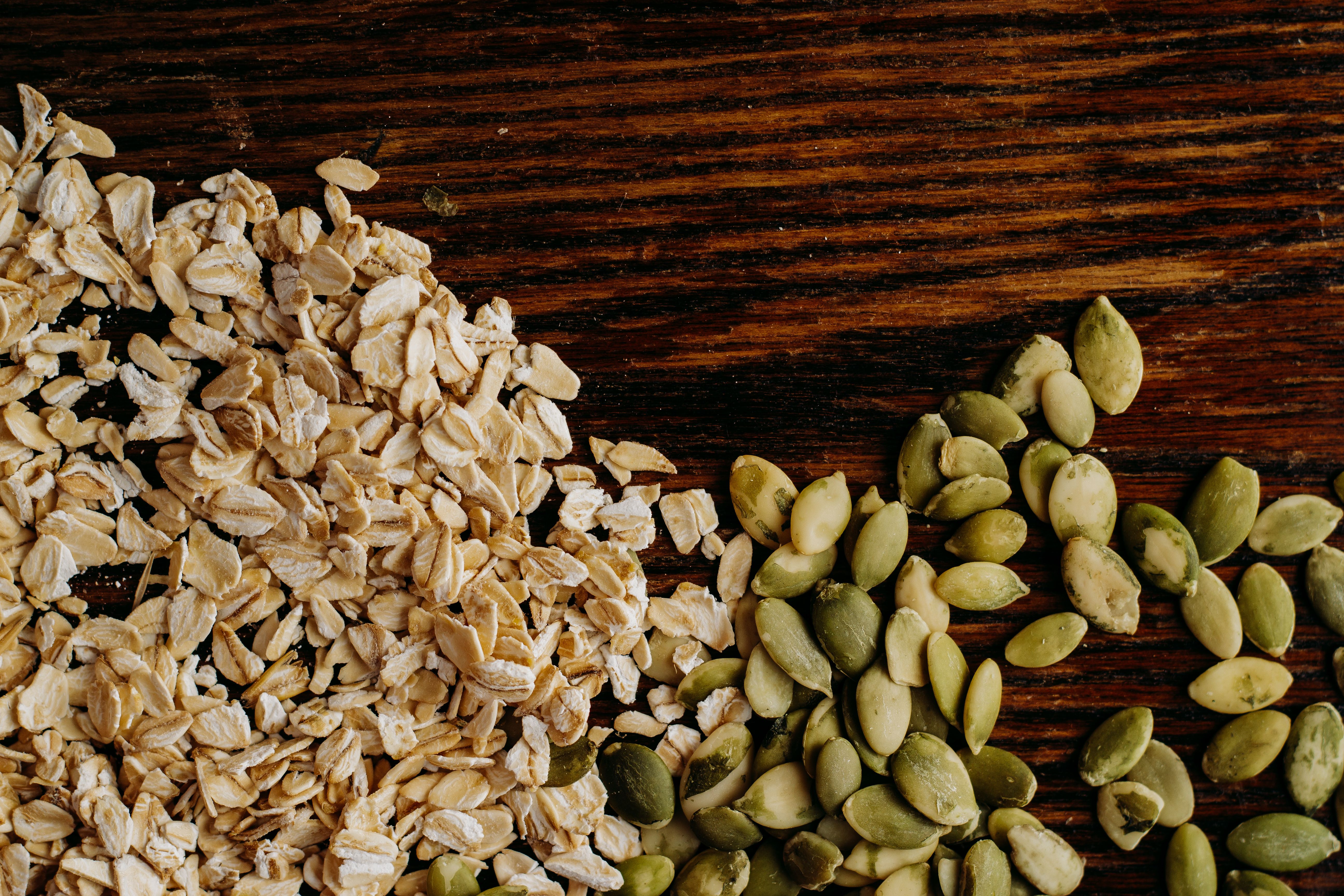
- Pumpkin seeds – One of my favourite plant-based options. A 28g serving of roasted pumpkin seeds provides around 2.2mg of zinc, making them easy to sprinkle over breakfasts and salads.
- Oats – Another surprisingly useful source. One cup of cooked oats provides around 2.3mg of zinc.
- Turkey – An 85g serving of roasted turkey breast provides around 1.5mg of zinc.
- Lentils – Half a cup of cooked lentils provides around 1.3mg, alongside fibre and plant-based protein.
- Eggs – One large egg provides around 0.6mg of zinc. It isn’t one of the richest sources, but it can still contribute to your daily intake.
- Chickpeas – Chickpeas contain zinc as well as fibre and plant-based protein, making them an easy addition to curries, salads and homemade hummus.
One thing worth knowing is that zinc from animal foods is generally easier for the body to absorb. Plant foods such as beans, whole grains, nuts and seeds contain phytates, which can reduce zinc absorption. That doesn’t mean plant sources aren’t valuable, but it’s another good reason to include a variety of zinc-rich foods in your diet.
How Much Zinc Do We Need?
In the UK, the recommended daily amount of zinc for adults is around 9.5mg a day for men and 7mg a day for women.
For most people, it should be possible to get enough zinc through a varied, balanced diet. Looking at the amounts in different foods also shows why variety matters – we don’t necessarily need one exceptionally high-zinc food, as smaller amounts from different foods throughout the day can all contribute to our overall intake.
Easy Ways to Include More Zinc-Rich Foods
Getting more zinc through food doesn’t have to mean completely changing the way you eat. Many zinc-rich foods are easy to add to everyday meals.
Try sprinkling pumpkin seeds over porridge, baked oats or yoghurt, adding lentils or chickpeas to curries and salads, or including eggs as part of breakfast or lunch. Meat and fish can also contribute useful amounts of zinc as part of a varied diet.
I already eat quite a few of these foods regularly, but knowing which foods contain zinc has made me more aware of how the different ingredients I choose can contribute to my overall intake throughout the day.
What About Zinc Supplements?
For me, getting zinc through food is particularly interesting because zinc supplements just don’t seem to agree with my stomach. I’ve tried both tablets and chewable versions, but I’ve experienced indigestion with both.
For most people, a varied diet can provide the zinc they need without supplementation. Taking high doses of zinc for long periods can also interfere with the absorption of other minerals, particularly copper, so more isn’t necessarily better.
If you’re concerned that you may not be getting enough zinc, or you’re considering taking a supplement, it’s worth speaking to your doctor or another healthcare professional for individual advice.
Closing Thoughts
Learning more about foods high in zinc has been really useful for me, particularly because supplements haven’t suited me. I hadn’t realised how many foods I already eat regularly, such as oats, pumpkin seeds, eggs and lentils, can all contribute towards my daily zinc intake.
For me, it’s another reminder that supporting our health doesn’t always have to mean adding another supplement. Sometimes it’s simply about understanding the nutrients in the foods we’re already eating and finding easy ways to include a good variety.
If you’re looking for an easy way to include more zinc-rich foods, try my Hormone-Friendly Breakfast Baked Oats, which contain both oats and pumpkin seeds. You might also enjoy my Red Lentil Dahl for another simple whole-food option.
If you found this article helpful, please like and share it with someone who might find it useful too.
Sources & Further Reading
- NHS – Vitamins and minerals: Zinc – UK guidance on daily zinc requirements and supplementation.
- NIH Office of Dietary Supplements – Zinc Fact Sheet – detailed information on zinc, food sources, absorption and deficiency.



Leave a Reply