
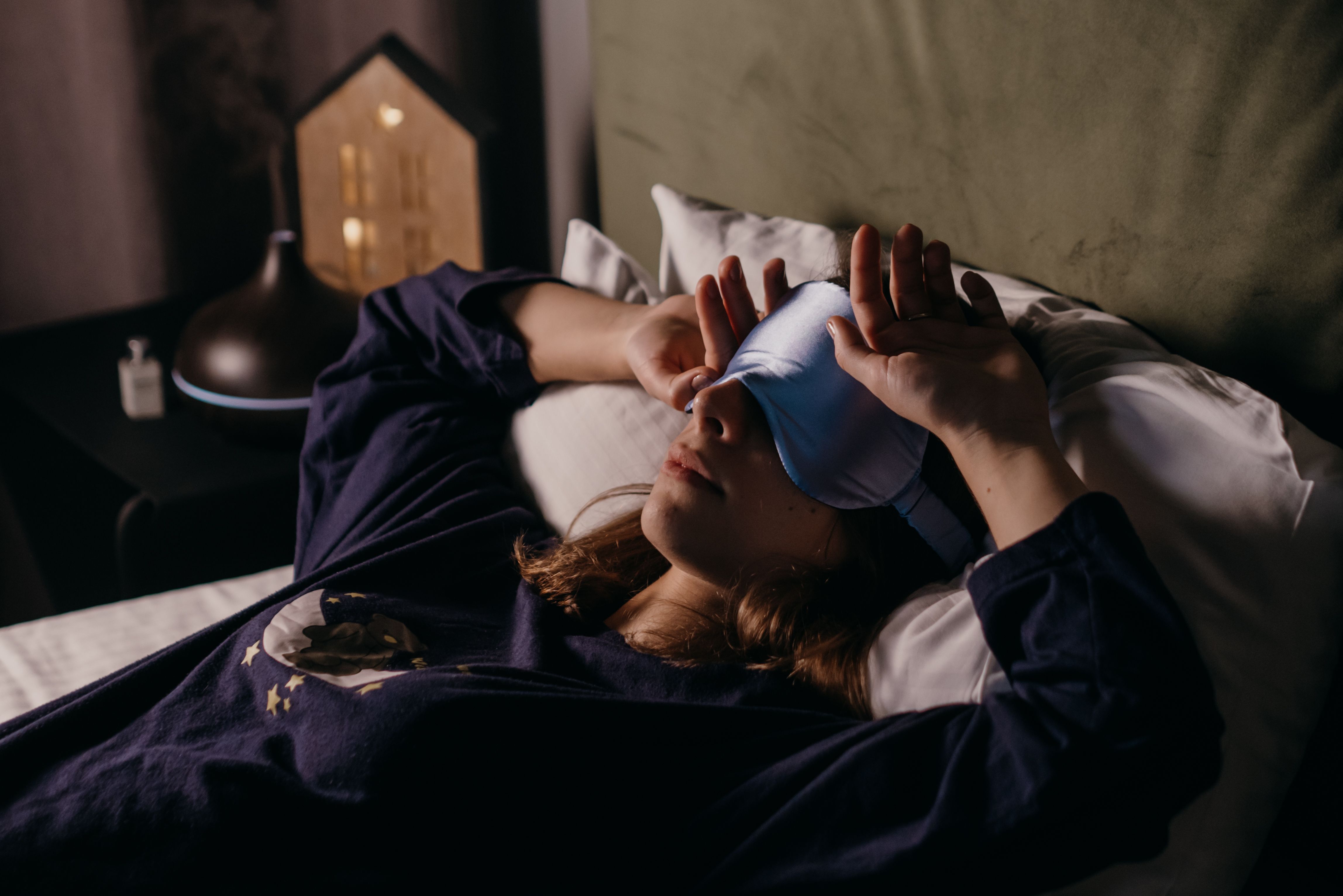
Sleep and hormone health have become something I’ve been thinking about a lot recently. Since coming off HRT, my sleep has definitely been one of the areas I’ve struggled with most.
For me, it tends to happen in one of two ways. Some nights I go to bed feeling tired but suddenly find myself completely wide awake, sometimes not falling asleep until 3 or 4am. Other nights I fall asleep without too much trouble, only to wake in the middle of the night and then lie awake for a couple of hours.
I’ve started paying much more attention to the things that seem to help, from going to bed earlier and keeping a more consistent routine to meditation, magnesium and wearing orange-tinted glasses in the evening.
My sleep certainly isn’t perfect, but I’m learning more about the connection between sleep, menopause and our hormones, and finding small changes that seem to be making a difference for me.
This post may contain affiliate or referral links. If you make a purchase through one of these links, I may earn a small commission or receive a benefit, at no extra cost to you. I only share products and services I genuinely use, trust or believe may be helpful
Why Sleep and Hormone Health Are So Closely Connected
Sleep isn’t simply about feeling rested the following day. While we sleep, our bodies are busy regulating many important processes, including hormones involved in stress, appetite, blood sugar and our sleep-wake cycle.
Poor or disrupted sleep can affect hormones such as cortisol, insulin, ghrelin and leptin, which can influence how we respond to stress, regulate blood sugar, and experience hunger and fullness.
The relationship also works both ways. Hormonal changes can make getting good-quality sleep more difficult, which is something many women experience during perimenopause and menopause. For me, understanding this connection has made improving my sleep feel like an important part of looking after my overall health, rather than simply trying to feel less tired.
Why Menopause Can Disrupt Sleep
Sleep problems are common during perimenopause and menopause, and they can show up in different ways. You might struggle to fall asleep in the first place, wake frequently during the night, or wake much earlier than you would like and find it difficult to get back to sleep.
Changes in hormone levels can play a part, but other menopause symptoms can make things harder too. Hot flushes and night sweats can wake you during the night, while anxiety or a busy mind can make switching off much more difficult.
This can sometimes become a frustrating cycle – poor sleep leaves you feeling exhausted the following day, while worrying about whether you’ll sleep that night can make relaxing at bedtime even harder.
This is something I’ve experienced myself, which is why I’ve started focusing less on trying to force myself to sleep and more on creating an evening routine that gives my body the best chance of winding down naturally.

What I’m Doing to Support Better Sleep and Hormone Health
I certainly haven’t perfected my sleep, but I’ve been experimenting with a few simple changes and paying attention to what seems to make a difference for me.
Being Mindful of Caffeine
Caffeine can stay in the body for several hours, so having it later in the day can make it harder to fall asleep or affect the quality of your sleep.
I’m not perfect at avoiding caffeine, but I don’t really drink coffee and I try to be more mindful of it as the day goes on. If I have tea in the evening, I’ll usually choose decaf or have a herbal tea instead.
If you do drink coffee or other caffeinated drinks, it may be worth experimenting with having your last one earlier in the day and seeing whether it makes a difference to your sleep. Some people are much more sensitive to caffeine than others, so rather than setting a strict cut-off time, finding what works for you can be helpful.
Going to Bed Earlier
I’ve noticed that if I don’t get to bed until around midnight, I often struggle much more with my sleep and feel considerably more tired the following day. I’m now trying to get into bed around 10-10:30pm and keep my bedtime and morning wake-up time reasonably consistent.
Wearing Orange-Tinted Glasses in the Evening
This is a relatively new addition to my routine, but I’ve been surprised by the difference I’ve noticed. I tend to watch a programme in the evening and then read on my Kindle in bed, so I’m still exposed to artificial light quite late.
I now put on orange-tinted blue-light-blocking glasses after I’ve done my evening skincare and wear them while watching television and reading. I’ve also started dimming the lights around the house in the evening. For me, these simple changes seem to help signal that the day is winding down.
If you’d like to give orange-tinted glasses a try, these are the ones I personally use and have found helpful. Blue Light Blocking Glasses
Taking Magnesium Before Bed
Magnesium is another part of my evening routine. There are several different forms available, with magnesium glycinate, also known as magnesium bisglycinate, being one you may come across in relation to relaxation and sleep.
I personally use a chewable magnesium because I already take other tablets and, where possible, I find chewable supplements easier to take.
There is some research suggesting magnesium may help with sleep, although the evidence is still developing. I prefer to think of magnesium as one part of my overall evening routine rather than something that guarantees a good night’s sleep.
Meditation
Once I’ve finished reading, I’ll sometimes do a short meditation in bed. It doesn’t need to be long, even five minutes can help me slow down and switch off from the day.
Keeping the Bedroom Cool
I sleep much better in a cooler room, particularly when I’m experiencing hot flushes. Keeping the bedroom comfortable and avoiding getting too warm during the night is another simple thing that can make sleep easier for me.
If I Can’t Sleep, I Get Out of Bed
One of the hardest things I find about being awake in the middle of the night is how different everything can feel. Worries that wouldn’t bother me during the day suddenly seem much bigger, and lying there thinking about how little sleep I’m getting only makes me more anxious – which makes falling asleep even harder.
I’ve learnt that if I’m completely wide awake and know I’m unlikely to fall back asleep anytime soon, it’s sometimes better for me to get out of bed rather than continue fighting it. I’ll go into another room, read for a while, do a short meditation or have a herbal tea. Once I start to feel sleepy again, I’ll go back to bed.
For me, simply changing my environment helps break that cycle of lying awake, worrying and becoming increasingly frustrated about not sleeping.
When to Speak to Your Doctor
We all have occasional bad nights, but if you’re regularly struggling to fall asleep, waking for long periods during the night, or poor sleep is affecting how you feel and function during the day, it’s worth speaking to your doctor.
It’s also important not to assume that persistent tiredness is always caused by poor sleep. Fatigue can have many different causes, so if you’re sleeping reasonably well but still regularly feel exhausted, it’s worth discussing this with a healthcare professional.
A Personal Note on Fatigue
I also want to be realistic about this, because improving my sleep is something I’m still very much working on. I have periods where I sleep well for a few nights and feel better, but overall fatigue is still something I struggle with most days.
And tiredness isn’t always simply down to poor sleep. There can be lots of reasons we feel persistently fatigued, particularly when other health or hormonal factors are involved. If you’re getting enough sleep but still feel exhausted regularly, it’s worth speaking to your doctor rather than assuming you just need more rest.
For me, this is still a work in progress. I’m trying to understand what affects my energy, what helps, and what doesn’t – and I’ll continue sharing what I learn along the way.
Sleep is only one part of how I’m trying to support my overall wellbeing. I’ve also found that gentle movement can be a lovely way to start the day, particularly after a difficult night. If you’d like to add a little more movement to your morning, take a look at my 10-Minute Morning Stretch Reset.
Closing Thoughts
Sleep is something I used to take for granted, but over the last few years I’ve realised just how much of a difference it can make to how I feel both physically and mentally.
I’m still figuring out what works for me, and I certainly don’t sleep perfectly every night. But I’ve found that small things, such as getting to bed earlier, creating a calmer evening routine, wearing my orange-tinted glasses and using meditation, can make a difference.
If you’re struggling with sleep during menopause too, I hope sharing some of the things I’m trying gives you a few ideas to experiment with yourself. What works for one person won’t necessarily work for another, but sometimes small, consistent changes can help.
If you found this article helpful, please like and share it with someone who might find it useful too.




Leave a Reply