
Breakfast is one of the easiest meals to overlook when it comes to protein. Many of the foods we traditionally associate with breakfast, such as cereal, toast and porridge, can be relatively low in protein unless we deliberately add a good protein source.
For women over 40, getting enough protein becomes particularly important. As we move through perimenopause, menopause and beyond, maintaining muscle mass becomes increasingly important for our strength, metabolism and long-term health. Starting the day with a protein-rich breakfast can also help with fullness and may support a steadier blood sugar response after eating.
That doesn’t mean you need to give up porridge, fruit or carbohydrates, or force yourself to eat a huge plate of eggs every morning. It’s more about making protein a bigger part of breakfast and building the rest of the meal around it.
In this article, I’ll look at why a high-protein breakfast for women over 40 can be beneficial, how much protein you might want to aim for and some simple breakfast ideas you can actually fit into everyday life.
I’m also going to put this into practice myself. My breakfasts are generally made from whole foods, but I’ve realised they often lean towards the sweeter side, with things like overnight oats, porridge, fruit and a little honey. Rather than cutting these foods out completely, I want to experiment with making protein the priority at breakfast and see whether I notice any difference in my hunger, energy and how I feel throughout the morning.
This post may contain affiliate or referral links. If you make a purchase through one of these links, I may earn a small commission or receive a benefit, at no extra cost to you. I only share products and services I genuinely use, trust or believe may be helpful
Why Is Protein Important for Women Over 40?
Protein is important throughout our lives, but it becomes particularly relevant as we move through our 40s and beyond. From around midlife, we naturally begin to lose muscle mass, and hormonal changes during perimenopause and menopause can make maintaining muscle increasingly important.
Protein provides the amino acids our bodies need to build and repair muscle. Alongside regular movement and strength training, eating enough protein throughout the day can help support the maintenance of muscle mass as we age.
This matters for much more than how strong we feel. Maintaining muscle supports our mobility, bone health and ability to stay active as we get older.
Rather than trying to squeeze most of our protein into our evening meal, including a good source at breakfast can be a simple way to spread our intake more evenly throughout the day.
For me, this has made me look at breakfast differently. Instead of only thinking about whether my breakfast contains nutritious ingredients, I’m starting to ask another question – where is the protein?
What Are the Benefits of a High-Protein Breakfast?
Making protein a bigger part of breakfast may have several benefits, particularly if your usual breakfast contains very little.
It May Help You Feel Fuller for Longer
Protein tends to be more filling than carbohydrates or fat, and studies have found that higher-protein breakfasts can increase feelings of fullness and reduce hunger during the morning.
For me, this is particularly interesting because I don’t always have a huge appetite first thing. Rather than eating a bigger breakfast, I’m interested in whether changing the balance of what I eat and prioritising protein helps keep me satisfied until my next meal.
It May Support a Steadier Blood Sugar Response
Adding protein to a meal containing carbohydrates may help reduce the rise in blood glucose after eating. This doesn’t mean carbohydrates need to be avoided – instead, combining them with protein, fibre and healthy fats can create a more balanced meal.
So a bowl of porridge or some fruit doesn’t suddenly become something we need to stop eating. It may simply be worth thinking about what protein source we’re having alongside it.
It Can Help Spread Protein Throughout the Day
Breakfast is often the lowest-protein meal of the day, with much more of our protein eaten at lunch and dinner. Including protein at breakfast gives us another opportunity to meet our overall needs and spread our intake more evenly across our meals.
This may be particularly useful as we get older and maintaining muscle becomes increasingly important.
How Much Protein Should You Have at Breakfast?
You’ll often see around 25-30g of protein suggested as a useful amount to aim for at each meal. There is research supporting the idea of spreading protein more evenly throughout the day, rather than eating very little at breakfast and most of it later in the day.
However, I don’t think we need to become too focused on hitting an exact number. Your individual protein needs will vary depending on factors such as your body size, activity levels and overall health.
If your current breakfast contains very little protein, simply increasing it is a good place to start. For some people, 25-30g may be a useful target, while a smaller amount can still make a meaningful contribution to your overall daily intake.
This is particularly relevant to me because I’m not always very hungry in the morning. I’d rather have a smaller protein-focused breakfast and eat lunch a little earlier than force myself to eat a large breakfast simply to reach a particular number.
Does a High-Protein Breakfast Mean Cutting Out Carbs and Sugar?
No. Eating a high-protein breakfast doesn’t mean you need to remove carbohydrates, fruit or foods such as oats from your morning meal.
Whole fruits contain naturally occurring sugars alongside fibre, vitamins and beneficial plant compounds. So adding banana or berries to a protein smoothie is very different from choosing a breakfast containing lots of added sugar.
The same applies to oats. I regularly eat porridge, overnight oats and baked oats, and I’m not planning to stop eating them. Instead, I’m interested in changing the balance of my breakfast by making sure there’s a good source of protein alongside the oats, fruit, seeds and healthy fats I already enjoy.
Added sugars are something I’m going to be more mindful of. I often add a little honey or maple syrup to breakfast, and while I don’t think these foods need to be completely avoided, I’m interested to see whether I actually need that extra sweetness.
For me, the goal isn’t a completely sugar-free or low-carbohydrate breakfast. It’s simply to make protein the starting point and build a balanced breakfast around it.

High-Protein Breakfast Ideas for Women Over 40
A high-protein breakfast doesn’t need to be complicated or mean eating the same thing every morning. Here are some simple ideas to experiment with.
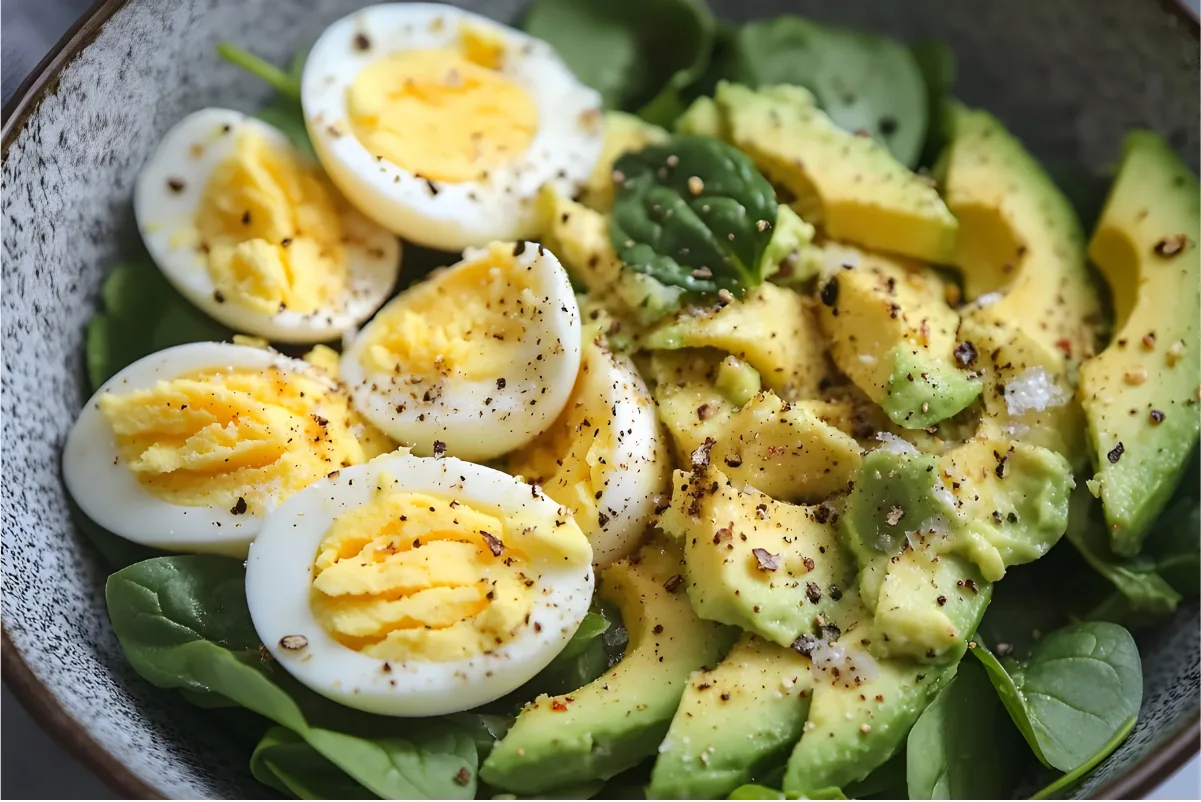
Eggs with Greens and Avocado
Eggs are an easy option for a savoury breakfast. Try scrambled, poached or fried eggs with wilted spinach or other greens and some avocado on the side.
Two large eggs provide around 13g of protein, so if you’re aiming towards 25-30g, you’ll need to add another protein source rather than assuming two eggs alone will get you there.
Omelette
An omelette is another easy way to build a protein-rich breakfast and add vegetables at the same time. Try eggs with mushrooms, spinach, peppers or spring onions, depending on what you enjoy and have available.
Boiled Eggs for a Smaller Breakfast
If you’re not particularly hungry in the morning, something simple like two boiled eggs can still give you a useful amount of protein without having to eat a large meal.
You could add some avocado, nuts or seeds alongside, then have your next meal a little earlier if needed.
Protein Smoothie
A smoothie can be a convenient option if you prefer something lighter in the morning. Start with an unsweetened protein powder, add unsweetened milk, then include ingredients such as almond butter, chia or flaxseed and some banana or berries.
It’s worth checking the ingredients when choosing a protein powder. Some flavoured varieties contain added sugars, sweeteners and lots of additional ingredients, so I prefer one with a simple ingredient list and no added sugar.
I currently use Planet Paleo Bone Broth Sport Protein in chocolate. I use a 16g serving, which provides around 14g of protein, then build the rest of my smoothie around it.
Make Your Oats More Protein-Focused
You don’t necessarily need to give up porridge or overnight oats. Instead, look at ways to increase their protein content.
Protein powder, nuts, nut butter, chia seeds and other seeds can all contribute. You could also reduce or leave out added honey or maple syrup and use berries or banana for sweetness instead.
This is something I’m particularly interested in experimenting with because oats are already a regular part of my breakfast routine.
Leftovers Aren’t Just for Dinner
Breakfast doesn’t have to consist of traditional breakfast foods. Leftover chicken or turkey with vegetables, avocado or eggs can make a quick savoury breakfast if that appeals to you.
The important thing isn’t finding a “perfect” breakfast – it’s finding protein-rich options that work with your appetite, preferences and routine.
My High-Protein Breakfast Experiment
Writing this article has made me look more closely at my own breakfasts. I generally eat whole foods and make most things from scratch, but I’ve realised that many of my favourite breakfasts tend to be on the sweeter side, such as overnight oats, porridge and baked oats with fruit and sometimes a little honey or maple syrup.
So I’m going to experiment with making protein the priority in the morning. I’m not planning to completely cut out oats, fruit or carbohydrates, but I want to try more savoury breakfasts, increase the protein in the breakfasts I already enjoy and be more mindful of adding extra sweetness when I don’t really need it.
I’m particularly interested to see whether I notice any difference in how full I feel, my energy levels and whether I’m less inclined to reach for something else to eat later in the morning.
I’ll give it some time and share what I notice – including whether it actually makes a difference for me.
Closing Thoughts
I’m not looking for a perfect breakfast or another set of food rules to follow. For me, this is about understanding a little more about what my body needs as I get older and making small changes that may support my health in the long term.
Protein is only one part of a balanced diet, but breakfast seems like an easy opportunity to increase how much I’m getting throughout the day. I’m interested to see what happens when I make it more of a priority.
If you’re thinking about increasing your protein at breakfast too, start with the foods you already enjoy and look at where you could add a little more, rather than feeling that you need to completely change the way you eat.
I’ll come back and share how I get on with my own high-protein breakfast experiment.
If you enjoy oats for breakfast too, you might like my Hormone-Friendly Breakfast Baked Oats. They contain oats, flaxseed, pecans and pumpkin seeds, and I’m now experimenting with ways to make breakfasts like this even more protein-focused.
If you prefer fruit for sweetness, my Easy Blueberry Compote is a simple make-ahead option for topping porridge or overnight oats. My original recipe contains a small amount of maple syrup, but you can leave this out and add a little extra water instead if you want to reduce the added sugar.
Sources & Further Reading
- British Nutrition Foundation – Protein – information on protein requirements, sources and its role in maintaining muscle.
- PubMed – Protein intake at breakfast and muscle mass and strength – 2024 review examining protein intake at breakfast in relation to muscle mass and strength.
- PubMed – Higher-protein breakfast, appetite and satiety – randomised crossover study looking at the effects of a high-protein breakfast on appetite and satiety.
- PubMed – Protein and post-meal blood glucose response – systematic review and meta-analysis examining how protein consumed with carbohydrate affects post-meal glucose responses.
- PubMed – High-protein breakfast and health outcomes – 12-week trial that found increased satiety with a higher-protein breakfast but no significant changes in body composition or glucose tolerance.



Leave a Reply