
As I shared in Part One of my blog series, 10 Years After My Early Menopause Diagnosis: What I’ve Overcome & Learned, I’ve spent years trying to feel like myself again. It’s been a long journey of trial, error and patience, and while I don’t have all the answers, I’ve learned a lot about hormone balancing and supporting my hormone health along the way.
I’m still making small changes, still learning, and still striving to feel the best I can. What I’ve found is that sometimes, it’s not about the next big fix, it’s about consistent, simple habits that really support your body over time.
In this post, I’m sharing the daily routines that are currently working for me. Some of them are probably things you’ve heard before but when hormones feel out of whack, going back to basics can make all the difference.
What Does Hormone Balancing Actually Mean?
Hormone balancing isn’t about achieving a perfect set of hormone levels through one food, supplement or lifestyle change. Hormones naturally fluctuate throughout life, particularly during perimenopause and menopause. For me, it means supporting the things that can influence how I feel day to day — including sleep, nutrition, movement, stress and overall lifestyle.
✅ What to Start (or Keep Doing)
1. Daily Movement — But Keep It Gentle
- What works: Daily walks, yoga, and strength training (2–3 times per week)
- Why it helps: Walking and gentle movement support cortisol regulation, blood sugar balance, and circulation—without overloading your system. Strength training helps regulate insulin and boosts metabolism, especially in perimenopause.
2. Cold Showers for Cortisol and Focus
- What works: A quick cold shower in the morning or after exercise
- Why it helps: Can lower inflammation, improve mood, and support the adrenal response. Some studies show cold exposure may help regulate the HPA axis.
3. Prioritising Quality Sleep
- What works: Wind-down routine, low light in the evening, consistent bedtime
- Why it helps: Poor sleep disrupts cortisol, insulin, and appetite hormones like leptin and ghrelin. Good sleep is non-negotiable for balance.
4. A Whole Food Diet
- What works: Focus on whole foods—plenty of colourful vegetables, good-quality protein, healthy fats, and fibre-rich ingredients like lentils, oats, and seeds.
- Why it helps: A whole food diet helps keep insulin levels stable, supports your liver’s natural detox processes (important for oestrogen balance), and nourishes the gut microbiome—which plays a vital role in everything from thyroid function to mood stability.
❌ What to Stop (or Limit)
1. High-Intensity Workouts (Too Often)
- Why I avoid them: They used to leave me exhausted and depleted. For those with thyroid or adrenal issues, overtraining can spike cortisol and worsen fatigue.
2. Processed Foods and Sugary Snacks
- Why I avoid them: Blood sugar crashes, increased inflammation, and extra work for the liver—all of which can disrupt oestrogen, progesterone, and cortisol levels.
3. Environmental Toxins & Endocrine Disruptors
- What I minimise: Plastics, synthetic fragrances, harsh cleaning products
- Why it matters: These often contain hormone-disrupting chemicals (like phthalates or BPA). I’ve gradually swapped to more natural alternatives in food storage, skincare, and home cleaning.
Let’s Take a Closer Look
It’s easy to get overwhelmed with all the advice out there about hormone balance—especially when so much of it is conflicting. That’s why I want to keep this simple and honest. These are the daily habits I’ve personally found most helpful, and the things I’ve chosen to stop doing because they weren’t supporting me.
This isn’t about perfection or following a rigid plan—it’s about learning to listen to your body, make small intentional changes, and focus on what makes you feel well. Let’s take a closer look at what’s been working for me lately.
Cold Showers: My Daily Reset
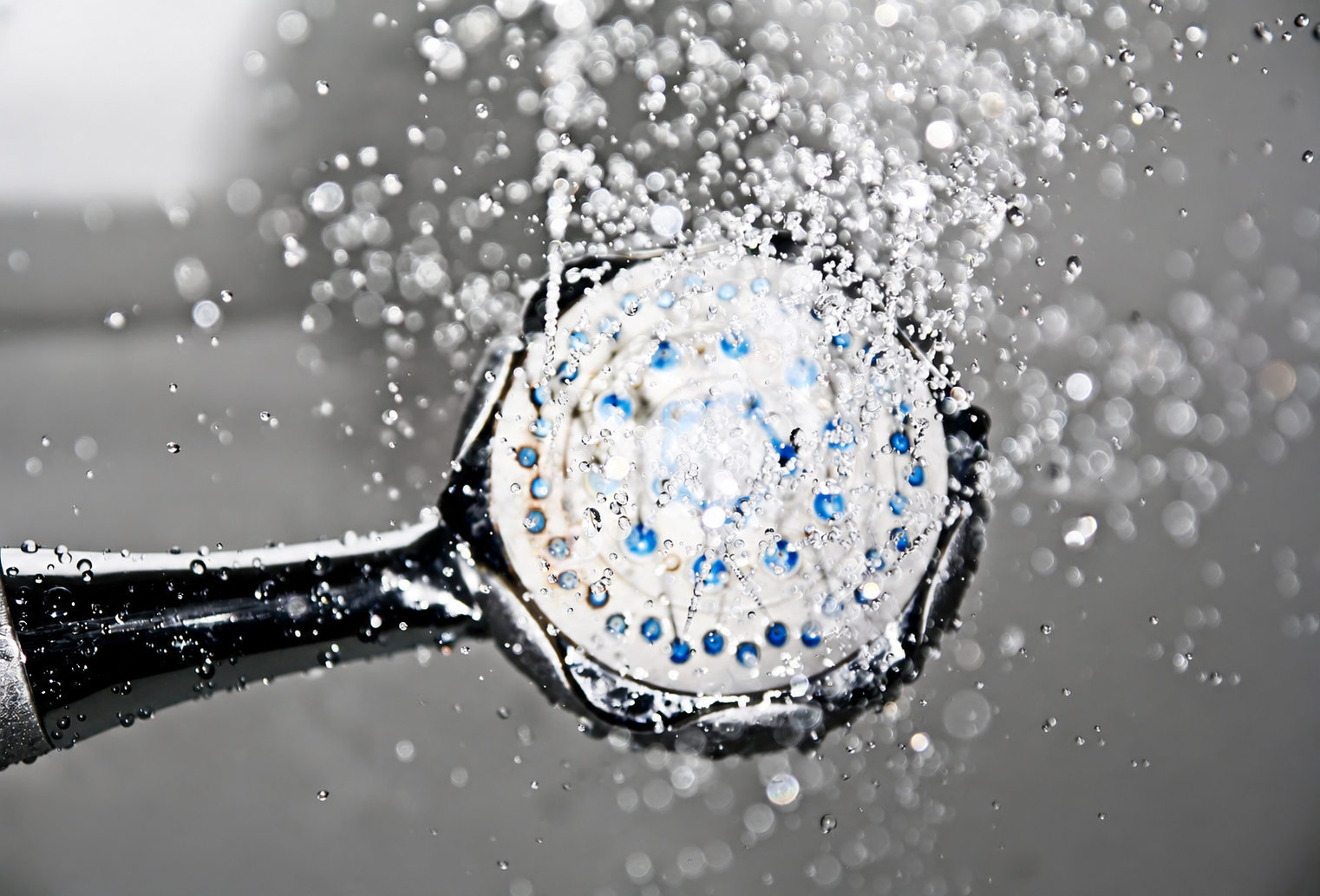
Cold showers weren’t something I ever thought I’d be doing—but now, they’re part of my everyday routine. At the end of my morning shower, I turn the water to cold for 1 minute and 30 seconds. I started with just 30 seconds and have slowly increased the time each week.
One thing I do that feels particularly supportive is letting the cold water run directly on my throat for at least 30 seconds. This isn’t just refreshing—it’s something I do intentionally to support my thyroid. Cold exposure can stimulate circulation, reduce inflammation, and activate the vagus nerve, which is closely tied to the body’s stress response. I find it’s a powerful (and free) way to feel more awake, focused, and calm before starting the day.
Tracking My Sleep Changed Everything
Sleep has always been important—but I didn’t realise just how much it affected my hormone health until I started tracking it. I now wear my Apple Watch to bed and use the sleep function to monitor how much REM, core, and deep sleep I’m getting, as well as how often I’m waking.
Having that data has helped me take my sleep more seriously. When you can actually see your sleep patterns, it becomes easier to make changes. I started getting into bed earlier, avoiding caffeine in the evening, and making wind-down time a priority. Quality sleep plays a huge role in regulating cortisol, insulin, thyroid hormones, and even oestrogen and progesterone. For me, better sleep has been one of the biggest game-changers.
Whole Foods, Real Ingredients
One of the biggest shifts I’ve made is cooking almost exclusively with whole foods. That means breakfast, lunch, and dinner made with real ingredients—nothing processed. I know exactly what’s in my meals, and I genuinely enjoy eating this way. It makes me feel better, more stable, and less reactive.
There are so many simple ways to cook nourishing, hormone-supportive meals without spending hours in the kitchen. Sharing these meals and ideas was a huge reason I started this blog—I wanted to show it doesn’t have to be complicated or expensive to eat well. When you eat meals made from whole ingredients, your body knows how to respond—and your hormones thank you for it. The British Dietetic Association also supports this approach, highlighting the value of whole foods in managing menopause and hormone health in their nutrition guidance.
Why I Avoid High-Intensity Workouts
This might not be true for everyone, but HIIT workouts really didn’t work for me. After those sessions—especially ones with lots of jumping or squats—I would feel completely drained. My joints would ache, and I was left feeling worse, not better.
It took me a while to realise that just because something is popular doesn’t mean it’s right for my body. When you’re dealing with hormone imbalances, adrenal fatigue, or thyroid issues, pushing harder isn’t always the answer. I’ve found that walking, yoga, and gentle strength training give me energy and support rather than deplete me.
Processed Foods? No Thanks
Once you start eating real, whole food, processed food starts to lose its appeal. It’s not just how it tastes—it’s how it makes you feel. After switching to a whole food approach, I noticed how sluggish and unwell I felt after eating anything overly processed. And honestly, most of it doesn’t even taste that good anymore.
Your tastebuds shift, your energy stabilises, and you start craving food that actually fuels you. It’s not about restriction—it’s about recognising what makes you feel your best.
Ditching Toxins Made a Big Difference
Switching to a lower-tox home has been a major lifestyle shift—and one I don’t regret at all. From cleaning products to cookware to skincare, I’ve gradually swapped out the things that were exposing me to hormone-disrupting chemicals. I feel so much better for it.
If you’re interested in where to start, I’ve gone into more detail in my blog: The Ultimate Guide to Toxic-Free Living. It doesn’t have to happen overnight, but making these changes one step at a time really adds up.
Final Thoughts on Finding Balance
Learning how to support my hormones has taken time, patience, and plenty of trial and error. What works for one woman might not work for another—and that’s okay. The key is tuning in, making space for consistency, and remembering that the small daily choices really do add up.
If you’re navigating hormone changes and want to feel more in control, I hope this post gives you some helpful starting points or reminders. And if you’re looking for more support, you might like my blog Thyroid Health Without Confusion: A Clear Guide to Taking Control Today—it’s packed with practical advice on managing your thyroid as part of your wider hormone health journey.
If this post helped you, please feel free to like or share it—it could make a real difference for someone else too.



Leave a Reply