
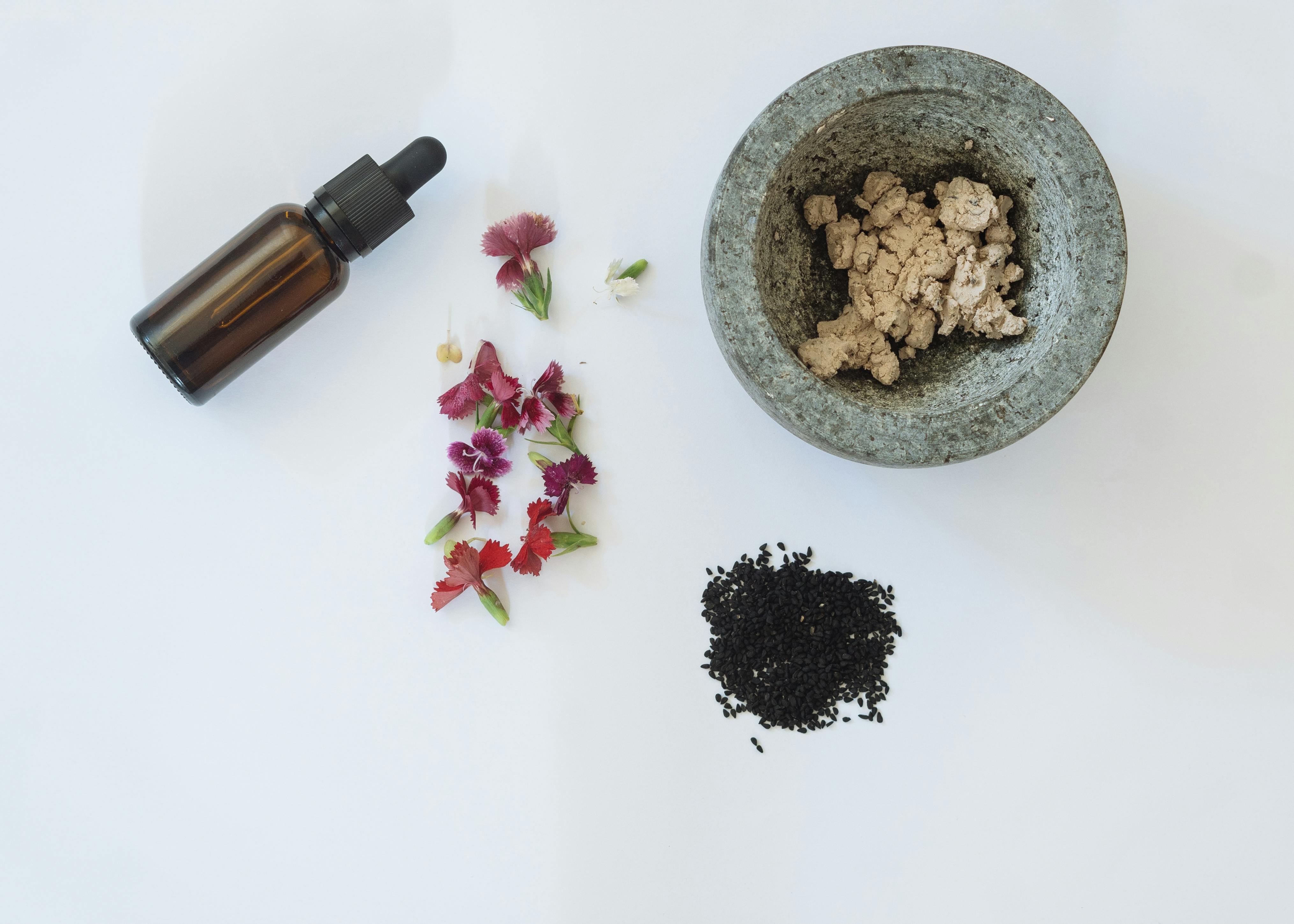
I used to use so many skincare products, believing more was better. But my skin felt irritated, reactive, and overloaded. Now, I’ve made natural skincare swaps for a simpler routine—and I’ve never looked back. Find out what I stopped using, what I use now, and how my skin has transformed!
For years, I used mainstream skincare products, believing they were the best option for my skin. I followed the advice of the beauty industry, layering multiple serums, toners, day creams, night creams, and retinoids—each one promising to deliver glowing, youthful skin. But not only was this routine expensive, it also became time-consuming and overwhelming.
Despite all these products, my skin wasn’t at its best. I was prone to breakouts, my skin often felt irritated and sensitive, and I struggled with redness and visible pores. I started wondering whether all these steps were actually helping—or if I was overloading my skin with too many ingredients.
At the same time, I began questioning the long list of unpronounceable ingredients, synthetic fragrances, and harsh chemicals I was applying daily. After researching how certain ingredients can disrupt hormones and affect skin health, I realised I needed a change.
So, I made some natural skincare swaps —choosing products that nourish rather than strip my skin. In this post, I’ll share what I stopped using, the natural alternatives I now swear by, and how my skin has transformed since making the switch. If you’re considering a cleaner, simpler approach to skincare, I hope my journey inspires you!
This post may contain affiliate or referral links. As an Amazon Associate I earn from qualifying purchases. I only share products I personally use or genuinely recommend. Thank you for supporting my work.
What I Stopped Using (and Why)
Looking back, I can’t believe how many skincare products I used to apply daily. At the time, I thought I was following the best advice—carefully layering serums, toners, and treatments morning and night. But over time, my skin felt irritated, reactive, and overwhelmed, and I started to wonder if all these steps were actually helping or making things worse. Here’s what I stopped using and why:
1. Face Wash in the Morning
I used to start my day with a cleanser, but I’ve since realised my skin doesn’t actually need it. Now, I simply refresh my face with warm water and a flannel—no product—which has helped my skin feel less dry and more balanced.
2. Double Cleansing Every Evening (Only When Needed)
Previously, I double cleansed every evening—one product to break down makeup and sunscreen, followed by another to remove any residue. Now, I only double cleanse if I’ve worn makeup and/or sunscreen that day. Whether I’m doing a single or double cleanse, I use a gentle oil cleanser that I have created myself rather than switching between different products. I’ll be sharing the recipe for this soon in a future post.
3. Retinoids and Acid Toners (Too Harsh for My Skin)
I used to alternate between retinoids and acid toners, always on separate days with breaks in between, but over time I realised that neither worked well for my skin. Even with careful use, they left my skin feeling irritated, sensitive, and red. I’ve now removed both completely, and my skin is so much calmer as a result. I also hated the fact that you have to always wear sunscreen when using this product s your skin becomes more sensitive. I believe that having a small amount of sun (out of peak times) is really good for your skin and overall health.
4. Serums (No Longer Needed)
At one point, I had serums for hydration, anti-aging, brightening, and breakouts, but I now realise they weren’t essential for me. Instead of layering multiple serums every day, I’ve removed them from my routine entirely and my skin has actually improved. I now focus on different natural oils for my skincare needs and the difference to my skin is amazing. My go to brand is Fushi.
5. Traditional Day & Night Creams
I used to believe I needed a light cream in the morning and a richer one at night, but I’ve since found a different approach works better for me. While I still use separate products for morning and evening, I no longer rely on traditional moisturising creams—I’ll go into more detail on what I use later.
6. Face Masks (Replaced with a Gentle Oil Blend)
I used to use a weekly face mask to ‘detox’ my skin, but I now focus on supporting my skin barrier instead. If my skin needs extra care, I use a homemade oil blend that I’ve created myself, which nourishes without stripping my skin. I also use a homemade mask made with Bentonite clay and Sandalwood powder.

How My Skin Feels Now
Since ditching unnecessary products, my skin feels calmer, stronger, and less reactive, with reduced visible pores and no breakouts. My skin barrier is healthier, and I no longer feel the need to layer endless products to achieve good skin. Simplifying my routine has been one of the best changes I’ve made!
The Ingredients That Concerned Me
Once I started looking at the ingredients in my skincare products, I was shocked by what I found. Some of the products I used daily—ones I thought were ‘clean’ or ‘gentle’—contained a cocktail of synthetic chemicals, microplastics, and potential irritants.
One product in particular had a mix of ingredients I didn’t recognise. When I researched them, I found that many were petrochemical-derived, synthetic preservatives, or even potential environmental pollutants. Here’s what I discovered:
1. Fragrance (Parfum)
At first glance, ‘Fragrance’ or ‘Parfum’ sounds harmless—it just makes the product smell nice, right? But what I didn’t realise is that fragrance formulations can contain hundreds of undisclosed chemicals, many of which are known allergens, irritants, or even potential hormone disruptors. Because fragrance formulations are considered trade secrets, brands don’t have to disclose what’s actually inside them. Once I removed synthetic fragrances from my routine, my skin felt far less irritated and reactive.
2. Butylene Glycol
This ingredient is a petrochemical-derived solvent that helps products feel smooth and spreadable. While it’s commonly used in skincare and considered “safe,” it can increase penetration of other ingredients into the skin, which isn’t always a good thing if those ingredients include preservatives or potential irritants. Some people with sensitive skin (like me!) may also find it drying or irritating over time.
3. Ethylene/Propylene/Styrene Copolymer
This one surprised me the most. It’s a type of synthetic polymer that acts as a film-forming agent, giving skincare products a smooth, silky feel. However, these non-biodegradable microplastics have been flagged for environmental concerns, as they don’t easily break down and can contribute to water pollution. Since learning more about the impact of microplastics in cosmetics, I now actively avoid them in my products.
4. Carbomer
Carbomer is a petroleum-derived thickener that helps give gels, creams, and lotions their texture. While it’s not necessarily harmful to skin, it’s another synthetic ingredient that I prefer to avoid in favour of natural thickeners like xanthan gum or aloe vera. Plus, since it’s derived from petroleum, it’s not an eco-friendly choice, which made me question its necessity in my skincare.
5. Disodium EDTA
This is a chelating agent used to stabilise formulas and prevent ingredients from breaking down. However, Disodium EDTA is known for its environmental persistence, meaning it doesn’t break down easily once it enters waterways. It can bind to metals and minerals, which raises concerns about its long-term effects on aquatic life. While it’s considered safe for human use, I now opt for more environmentally-friendly formulations.
6. Hydroxyacetophenone
This ingredient is a synthetic antioxidant and preservative, used to help prevent products from spoiling. Some clean beauty brands avoid it because it’s a newer synthetic preservative, and its long-term impact isn’t as well studied as natural alternatives like vitamin E (tocopherol) or radish root ferment. While preservatives are essential to keep skincare safe, I now prefer brands that use gentler, plant-based preservation systems.
Why This Change Mattered
Discovering that just one of my products contained multiple synthetic chemicals, potential irritants, and environmentally persistent ingredients made me reconsider my entire routine. I realised that many of these ingredients didn’t actually benefit my skin, and I felt more comfortable choosing simpler, more natural formulations instead.
Now that I knew what I wanted to avoid, I started looking for effective, nourishing alternatives—which I’ll share in the next section!
What I Switched To (and Why It Works for Me)
After removing so many unnecessary products from my routine, I focused on finding natural skincare swaps that truly nourish my skin. Instead of layering multiple serums and creams, I now use a few high-quality products with minimal, well-researched ingredients. Here’s what my skincare routine looks like now:

🌿 Morning Routine: Simple & Refreshing
I no longer use a cleanser in the morning—just warm water and a flannel to refresh my skin without stripping away its natural oils. I then use Manuka honey as a gentle mask. It’s soothing, antibacterial, and leaves my skin feeling calm and soft. I’ll be sharing more about how and why I use Manuka honey in an upcoming blog post, so stay tuned if you’re curious to give it a try.
I’ll then apply carrot oil, which gives my skin a healthy glow and natural-looking colour. If I feel like I need more nourishment, I’ll also add a little jojoba oil or sometimes vitamin E for extra richness. I used to be scared of oils, having always had very oily skin, but since removing gels and creams and switching to high-quality oils, my skin has completely changed. It feels nourished but not greasy, and I now rarely get breakouts. The oiliness I used to struggle with has reduced significantly, and I no longer feel the need to wear foundation — just a touch of concealer now and then.
The brand I love and recommend is Fushi — they offer a brilliant range of pure, cold-pressed oils. I’ve gradually built up a small selection and use different ones depending on what my skin needs. My go-to every morning is carrot oil, but I’ll mix in jojoba or vitamin E when I want a little more moisture or support.
For my under-eye area, I’ve found a simple, natural method that works wonders. I smooth a tiny drop of castor oil under my eyes, then place thin cucumber slices over the oil. The combination instantly cools, soothes, and reduces puffiness and dark circles. I leave them on for 5-15 minutes while I prepare breakfast—the oil helps the cucumber’s nutrients absorb better, and since they’re sliced so thinly, they stay in place effortlessly. Once I remove them, I gently dab in any remaining moisture. That’s it—so easy, so effective.
Tip: Use a vegetable peeler to slice the cucumber into super-thin strips. This helps them stick to the under-eye area more easily and stay in place while you get on with your morning—whether it’s making breakfast or enjoying a coffee. Cutting them into half-moon shapes ensures a perfect fit under the eyes.
🌿 Evening Routine: Gentle & Nourishing
In the evening, I cleanse my face with my homemade oil blend—it’s super gentle, safe for the eyes, and perfect for sensitive skin. If I’ve worn makeup, I double cleanse using the same oil to ensure my skin is completely clean without feeling stripped. I sometimes follow this up with a simple Rosewater which is a great toner. I love this Rosewater it’s such good value.
Next, I’ll reach for my oil blend or use one or two oils on their own. My go-to blend is one I created myself, made with castor oil, vitamin E, rosehip oil, frankincense, and lavender essential oil. It’s deeply nourishing and leaves my skin feeling soft and healthy. Sometimes I’ll just use jojoba or another single oil — or combine a couple, depending on what my skin needs that day.
🌿 A Few Extra Skin Tips
- For Breakouts → I haven’t had any in a while, but if one appears, I dab a little castor oil on before bed, and it helps heal and reduce it quickly.
- For a Natural Summer Glow → I sometimes apply carrot oil on its own, which gives my skin a beautiful, sun-kissed tint without needing makeup.

Why This Routine Works for Me
Since switching to fewer, better-quality products, my skin feels calmer, stronger, and far less reactive. I no longer have redness, breakouts, or visible irritation, and this routine has made skincare feel simple, effective, and completely aligned with what my skin actually needs.
Final Thoughts
Switching to a simpler, more natural skincare routine has been one of the best things I’ve done for my skin. Instead of trying to ‘fix’ my skin with endless products, I’ve learned to listen to what it actually needs. My natural skincare swaps have helped my skin feel calmer, stronger, and far more balanced, and I spend less time and money on unnecessary products.
If you’re considering making the switch, my advice would be to start small—you don’t have to change everything overnight. Begin by cutting out what isn’t serving your skin, looking at ingredients over branding, and experimenting with simpler swaps. It’s not about having the ‘perfect’ routine, but about finding what truly works for you. I have been on this journey for well over a year and have slowly been replacing products and discovering new ways to make my own along the way.
My Skincare Philosophy Moving Forward
I used to believe that good skincare meant using as many targeted products as possible—a serum for every concern, multiple cleansers, different moisturisers for day and night. But now, I focus on quality over quantity, choosing minimal, well-formulated products that actually support my skin.
I no longer feel pressured by the beauty industry’s endless marketing claims. Instead, I trust ingredients over hype, and I prioritise nourishing, effective skincare that works in harmony with my skin rather than trying to force results.
Making the switch to natural, minimal skincare has not only transformed my skin but also my mindset about beauty and self-care. Less really is more.
If you’re looking to reduce toxins in other areas of your life, you might enjoy my blog on The Life-Changing Household Swaps for a Toxic Free Home. From non-toxic cleaning solutions to everyday essentials, I share the simple swaps that have made a real difference for me!
FAQs: Natural Skincare & Simplifying Your Routine
What are natural skincare swaps?
Natural skincare swaps refer to replacing chemical-heavy beauty products with clean, plant-based alternatives that nourish the skin without harsh additives or irritants. Many conventional products contain synthetic fragrances, preservatives, and microplastics, which can disrupt skin balance. Choosing gentler, well-formulated alternatives supports long-term skin health.
1. Is switching to natural skincare better for your skin?
Switching to natural skincare can be beneficial, especially if you have sensitive skin, redness, or breakouts. Many mainstream products contain synthetic fragrances, preservatives, and harsh chemicals that can strip your skin or cause irritation. Choosing gentle, plant-based alternatives helps support your skin’s natural barrier and maintain balance.
2. Will my skin go through an adjustment period?
It depends! Some people experience an adjustment phase, especially when moving away from foaming cleansers, harsh exfoliants, or heavy moisturisers. Your skin may take time to rebalance, but most people find that simplifying their routine leads to less irritation and healthier skin over time.
3. Do I still need SPF if I use natural skincare?
Absolutely! Sunscreen is one of the most important skincare steps, even in a natural routine. I prefer to use mineral-based sunscreens with zinc oxide or titanium dioxide, as they provide broad-spectrum protection without chemical UV filters linked to hormone disruption.
I do, however, allow my skin to have days without SPF—for example, if I’m staying indoors, it’s a cloudy day, or I’m not exposed to direct sunlight. It’s good to let the skin breathe and get some natural sunlight, which is important for Vitamin D production and overall skin health.
4. What’s the best way to start switching to natural skincare?
You don’t have to throw everything out overnight! Start by simplifying your routine—use fewer products with better ingredients. Check labels for synthetic fragrances, harsh alcohols, or microplastics, and swap them for gentle, nourishing alternatives.

5. What are the best ingredients to look for in natural skincare?
Look for botanical oils and plant-based ingredients that support your skin barrier. Some of my favourites include:
✔️ Rosehip oil – Rich in antioxidants and helps brighten the skin.
✔️ Castor oil – Deeply hydrating and great for reducing inflammation.
✔️ Carrot oil – Gives a natural glow and supports skin elasticity.
✔️ Aloe vera – Soothes and hydrates sensitive skin.
✔️ Shea butter – A great natural alternative to heavy creams.
I am really passionate about this subject I cant believe how much better I feel in myself and how much better my skin feels and looks since making these changes. I would never go out the house without makeup (especially concealer and/or foundation) now I just don’t feel I need it as I am so much more confident in my skin. I have learned so much over the last year and I am excited to share this with you from my homemade skincare, brands I love and the surprising food items I use on my skin that have an amazing effect!
If this post helped you feel more confident about making changes to your skincare routine, feel free to give it a like or share it with someone who’s also trying to become more natural in their beauty choices.




Leave a Reply